Understanding HEPA Filtration in Mold Remediation for Barnstead Homes
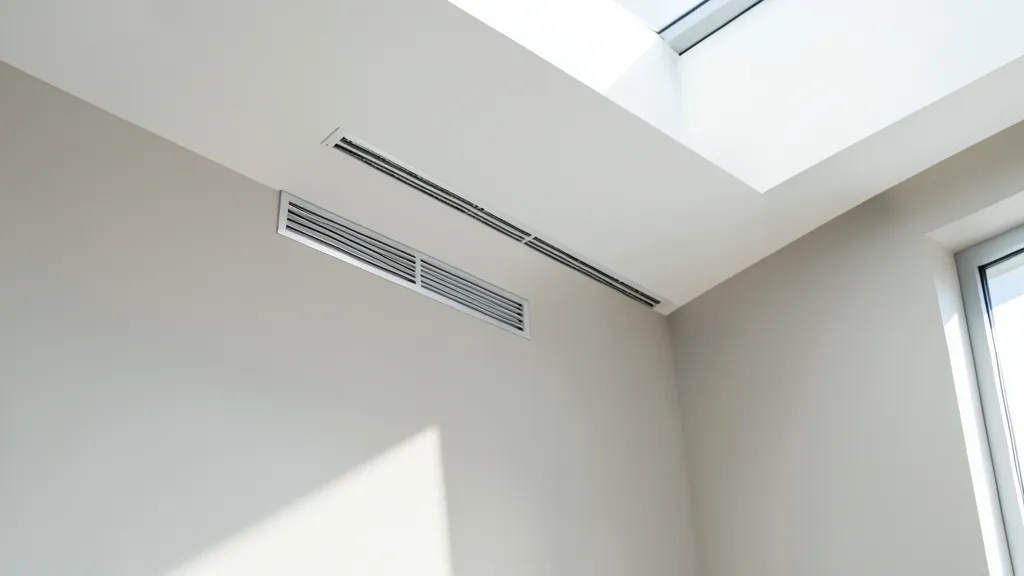
Mold spores are microscopic and airborne, making them nearly impossible to eliminate without the right equipment. In Barnstead’s humid climate, HEPA filtration isn’t just a tool—it’s a critical line of defense during mold remediation, trapping particles as small as 0.3 microns to prevent cross-contamination and protect indoor air quality.
Why HEPA Filtration Matters in Mold Remediation
Mold remediation isn’t just about removing visible growth—it’s about controlling invisible spores that can spread through HVAC systems or air currents. HEPA (High-Efficiency Particulate Air) filters capture 99.97% of particles at 0.3 microns, including most mold spores and mycotoxins.
In our region, where basements and crawl spaces in Barnstead, Alton, or Strafford often battle moisture, spores can become airborne during disturbance. Without HEPA filtration, remediation efforts can inadvertently worsen contamination.
How HEPA Air Scrubbers Work During Remediation
Air scrubbers equipped with HEPA filters create negative air pressure within containment zones. This pulls airborne spores into the machine, where they’re trapped in the filter media instead of recirculating into clean areas.
Our team deploys these units strategically—near containment barriers, in hallways, or in HVAC returns—to ensure spores don’t migrate to unaffected parts of the home. In Pittsfield or Gilmanton, where older homes may lack modern ventilation, this step is non-negotiable.
Position air scrubbers so the airflow pulls contaminated air *through* the HEPA filter before it reaches clean spaces. Never point exhaust toward living areas.
HEPA vs. Standard Filters: What’s the Difference?
Not all filters are created equal. Standard furnace filters (MERV 1–8) capture dust and pollen but let mold spores pass through. Even high-MERV filters (13–16) fall short of HEPA’s efficiency for sub-micron particles.
True HEPA filters (MERV 17–20) are the gold standard for mold remediation. They’re often paired with activated carbon stages to address volatile organic compounds (VOCs) released by some mold species.
| Filter Type | MERV Rating | Particle Size Captured | Suitable for Mold? |
|---|---|---|---|
| Standard Fiberglass | 1–4 | 10+ microns | No |
| Pleated (Mid-Range) | 8–12 | 3–10 microns | Limited |
| High-Efficiency Pleated | 13–16 | 1–3 microns | Partial |
| True HEPA | 17–20 | 0.3+ microns | Yes |
Containment and HEPA: A One-Two Punch
HEPA filtration works hand-in-hand with physical containment. In Barnstead homes, we often use 6-mil polyethylene sheeting to seal off work areas, then deploy air scrubbers to maintain negative pressure.
This dual approach prevents spores from escaping during demolition or cleaning. Without it, remediation in a moldy crawl space could contaminate the main living area—especially in tightly sealed, energy-efficient homes common in Strafford or Gilmanton.
When to Use HEPA Vacuums vs. Air Scrubbers
HEPA vacuums are essential for cleaning surfaces after mold removal, but they’re not a replacement for air scrubbers. Vacuums capture settled spores on walls, floors, or furniture, while scrubbers handle airborne particles.
For attic mold remediation in Barnstead, we often use HEPA vacuums on rafters and insulation, then run air scrubbers continuously to clear residual spores from the air.
HEPA Equipment Checklist for Remediation
- HEPA air scrubbers for airborne spores
- HEPA vacuums for surface cleaning
- Sealed containment barriers
- Negative air pressure monitors
- PPE (N95+ respirators, gloves, goggles)
Moisture Control: The Root of Mold Prevention
HEPA filtration addresses the *symptom*—airborne spores—but lasting mold control requires fixing the *source*: moisture. In our area, common culprits include poor crawl space ventilation, leaky basements, or attic condensation.
After remediation, we recommend moisture control solutions like dehumidifiers, vapor barriers, or improved drainage. Without this, even a high-quality HEPA system won’t stop mold from returning in Alton or Pittsfield homes.
Reinstalling drywall or carpeting over a damp surface often leads to mold returning. Always address water intrusion before rebuilding.
Commercial vs. Residential HEPA Needs
Commercial mold remediation—whether in a Barnstead school or a Gilmanton warehouse—often requires larger, industrial-grade HEPA units. These handle higher airflow volumes and can run continuously without overheating.
Residential projects may use portable air scrubbers, but the principle is the same: maintain negative pressure and filter all exhausted air. For water damage restoration jobs, we often stage multiple units to dry and clean the air simultaneously.
How to Verify HEPA Filtration Is Working During Remediation
Proper HEPA use is invisible—but there are ways to confirm it’s effective.
- 1Check Negative Pressure
Use a manometer to confirm the containment area has lower pressure than adjacent spaces. Smoke pencils can also reveal airflow direction.
- 2Inspect Filter Seals
Ensure all HEPA filters are properly seated with no gaps. Even a small leak can bypass the filter entirely.
- 3Monitor Airflow
Air scrubbers should run continuously during active remediation. Measure airflow at the intake and exhaust to verify volume.
- 4Post-Remediation Testing
Conduct air quality testing after remediation to confirm spore counts have returned to normal levels. This is critical for clearance in Barnstead homes.
- 5Visual Inspection
Look for dust or debris accumulation on the HEPA filter’s surface—a sign it’s capturing particles as intended.
Frequently Asked Questions
Can I use a regular air purifier with a HEPA filter for mold remediation?
Consumer-grade air purifiers with true HEPA filters can *help* reduce airborne spores, but they lack the airflow capacity and sealing required for professional remediation. For active mold removal in Barnstead, industrial air scrubbers are necessary to maintain negative pressure and prevent cross-contamination.
How often should HEPA filters be replaced during a mold project?
HEPA filters in air scrubbers should be replaced when visibly clogged or after heavy use (typically every 1–3 projects). In high-spore environments like a severely moldy crawl space in Strafford, we may swap filters mid-project to maintain efficiency.
Does HEPA filtration remove mold odors?
HEPA filters capture spores and particulate matter but don’t address odor-causing VOCs. For musty smells, we pair HEPA filtration with activated carbon stages or hydroxyl generators during remediation in Alton or Pittsfield homes.
Is HEPA filtration enough to prevent mold after water damage?
No. HEPA filtration cleans the air, but mold prevention requires drying the structure within 24–48 hours, removing water-damaged materials, and controlling humidity. In Gilmanton or Barnstead, we combine HEPA use with dehumidifiers and moisture barriers for long-term protection.
Are there areas in a home where HEPA filtration is most critical?
Yes. Containment zones (e.g., a sealed-off moldy bathroom or attic) and high-traffic areas near the work site need the most rigorous HEPA filtration. In multi-level homes, we also prioritize stairwells and HVAC returns to prevent spores from spreading between floors.
What’s the difference between HEPA filtration and ozone treatment for mold?
HEPA filtration physically removes spores and particulates from the air, while ozone generators produce ozone gas to break down mold at a molecular level. However, ozone can be harmful to humans and pets, so we rely on HEPA for occupied spaces and reserve ozone for unoccupied, controlled environments.